

The choice between a full kitchen remodel and a partial renovation depends entirely on your budget, timeline, and structural needs. Kitchen renovations represent one of the most significant investments a homeowner can make. Updating your cooking space improves daily functionality and dramatically impacts the overall value of your property. Because the kitchen serves as the central hub of daily life, deciding how to upgrade this space requires careful consideration and planning.
Most homeowners eventually face a critical decision during the planning phase. They must choose between executing a full kitchen remodel or opting for a partial kitchen renovation. Both paths offer distinct advantages, but they require vastly different commitments of time, money, and energy.
Selecting the right approach depends heavily on your available budget, long-term goals, and the current condition of your home. By understanding the key differences between these two renovation strategies, homeowners can make an informed decision that perfectly aligns with their specific needs and lifestyle.
What exactly does a full kitchen remodel include?
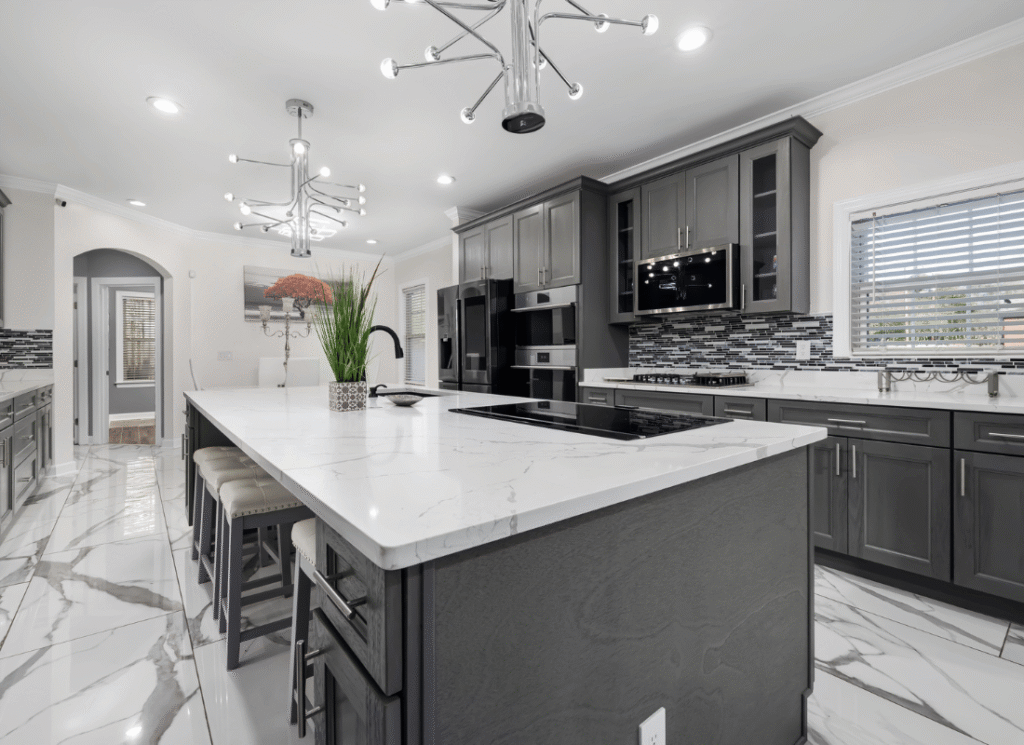
A full kitchen remodel is a complete redesign and rebuild of the kitchen space. Homeowners essentially tear the existing room down to the studs and start fresh. This comprehensive approach allows for maximum flexibility and transformation.
During a full kitchen remodel, contractors typically execute major layout changes. These changes often include moving walls, rerouting plumbing lines, and upgrading electrical panels. The process usually involves a full cabinet replacement, installing new flooring, updating the lighting design, and fitting brand-new countertops and appliances.
A full kitchen remodel is best for outdated or dysfunctional kitchens. If the current space lacks adequate prep areas, features poor traffic flow, or requires modern infrastructure to support new appliances, a complete rebuild provides the necessary blank canvas to fix these structural issues.
What does a partial kitchen renovation involve?
A partial kitchen renovation focuses on upgrading select parts of the kitchen without undertaking a full reconstruction. This method keeps the existing layout and major structural systems completely intact.
Common upgrades during a partial kitchen renovation include cabinet refacing or repainting, rather than entirely replacing the cabinet boxes. Homeowners might also install new countertops, add a fresh tile backsplash, or upgrade to modern appliances.
This approach serves as a targeted refresh. A partial kitchen renovation is ideal for spaces where the fundamental layout already functions well, but the visible surfaces appear worn or outdated.
How do costs compare between full and partial kitchen remodels?
A full kitchen remodel requires a significantly higher cost and represents a much larger financial investment. Because the scope of work includes demolition, structural alterations, and entirely new materials, the expenses accumulate quickly.
Conversely, a partial kitchen renovation serves as a budget-friendly alternative. By preserving the existing layout and reusing structural elements like cabinet boxes, homeowners drastically reduce their overall spending.
Three primary cost drivers influence the final price of any kitchen project. Materials dictate a large portion of the budget, with custom cabinetry and luxury countertops driving prices up. Labor costs also play a massive role, especially when specialized trades like plumbers and electricians are required. Finally, structural changes always increase the budget due to the complexity of moving walls and utility lines. Homeowners will see different return on investment (ROI) figures depending on the scope. A full remodel often yields a higher overall home value increase, but a partial renovation can provide excellent short-term ROI for sellers.
How long does a kitchen renovation take to complete?
A full kitchen remodel requires a longer timeline due to the extensive demolition and rebuild phases. Managing multiple trades, securing permits, and waiting for custom materials means that homeowners might be without a functional kitchen for several weeks or even months.
A partial kitchen renovation offers a much faster turnaround. Because the structural footprint remains the same, contractors can complete the cosmetic updates quickly. This faster timeline causes significantly less disruption, which is highly helpful for homeowners needing quick upgrades without the stress of a major construction zone.
What are the benefits of a full kitchen remodel?
A full kitchen remodel provides a complete aesthetic and functional transformation. Homeowners gain the ability to fix poor traffic flow and create a layout that perfectly suits modern living. Furthermore, this comprehensive approach generally leads to a higher home value increase compared to smaller updates.
What are the drawbacks of a full kitchen remodel?
The primary drawback of a full kitchen remodel is the sheer expense. These projects are incredibly costly. Additionally, a full remodel requires a longer downtime, meaning the homeowner must deal with significant disruption and the inconvenience of setting up a temporary kitchen for an extended period.
What are the advantages of a partial kitchen renovation?
A partial kitchen renovation carries a much lower overall cost. The project reaches completion faster, which translates to less mess, noise, and daily disruption for the family living in the home.
What are the disadvantages of a partial kitchen renovation?
This approach offers limited design changes. A partial kitchen renovation cannot fix underlying structural issues or poor layouts. Because the updates are purely cosmetic, the project has a slightly lower impact on the overall resale value of the home compared to a full gut renovation.
When should homeowners choose a full kitchen remodel?
Homeowners should select a full kitchen remodel when the current kitchen is severely outdated or poorly designed. If the existing layout simply does not work for modern use, cosmetic upgrades will not solve the daily frustrations of cooking in the space. Choose a full remodel if you plan to stay in the home long-term, or if you need to increase the property’s resale value significantly to compete in a high-end real estate market.
When is a partial kitchen renovation the right choice?

A partial kitchen renovation is the smart choice when the homeowner’s budget is strictly limited. If the current kitchen layout already works well and the existing cabinet boxes are structurally sound, there is no need for a total tear-down. Opt for a partial renovation when cosmetic upgrades and surface-level modernization are the main goals.
Which kitchen renovation approach is best for your home?
There is no universal answer to the kitchen renovation debate. The correct path depends entirely on your specific household goals.
A full kitchen remodel acts as a long-term investment that delivers a complete transformation of your living space. A partial kitchen renovation provides a highly cost-effective refresh that minimizes daily disruption.
To make the best decision for your property, suggest consulting a kitchen renovation company for a thorough assessment. A professional contractor can evaluate your current layout, inspect the structural integrity of your cabinets, and provide an accurate cost breakdown. If you are located in Southwestern Ontario and want to explore your options, contact Coronation Construction in London Ontario for a free estimate on your upcoming kitchen renovation.