
In London, Ontario, renovations that affect structure, plumbing, electrical systems, or building use typically require a permit from the City of London. Common examples include home additions, basement apartments, load-bearing wall removal, and deck construction. Cosmetic updates like painting or flooring generally do not.
Not every renovation project triggers a permit requirement—but plenty do. And getting that wrong can cost you far more than the permit itself. Homeowners who skip required permits in London, Ontario risk stop-work orders, fines, failed home inspections, and serious complications when it comes time to sell.
Permits exist for a good reason. They ensure your renovation complies with the Ontario Building Code and local City of London regulations, protecting both your investment and your safety. Think of a permit as the mechanism that keeps your contractor accountable and your home structurally sound.
This guide breaks down the most common renovation projects that require a home renovation permit in London, Ontario—and a few that don’t—so you know exactly what to expect before breaking ground.
What Is a Building Permit in London, Ontario?

A building permit is an official approval issued by the City of London that authorizes specific construction or renovation work on a property. Permits are required when work involves structural changes, new occupancies, or alterations to mechanical, plumbing, or electrical systems.
Typically, either the homeowner or the licensed contractor applies for the permit before work begins. The permit process doesn’t end at approval—inspections are conducted at key stages to confirm the work meets Ontario Building Code requirements. Passing those inspections is what gives you a compliant, insurable, and legally sellable home.
What Renovations Require a Permit in London, Ontario?
Home Additions
Any addition to your home’s footprint—a new room, second-storey addition, garage, or sunroom—requires a building permit in London, ON. These projects involve structural work, new foundations, and changes to the building envelope, all of which must meet Ontario Building Code standards.
Basement Renovations
Not all basement work triggers a permit, but many common projects do. Creating a legal basement apartment, adding bedrooms or bathrooms, altering foundation walls, making structural framing changes, and installing egress windows all typically require a City of London building permit. If you’re creating a secondary dwelling unit, additional requirements under the Ontario Building Code apply.
Removing or Altering Load-Bearing Walls
This is one of the most common renovation permit requirements homeowners overlook. Removing a load-bearing wall involves beam installation and structural engineering—work that must be inspected to confirm the building’s integrity hasn’t been compromised. Skipping the permit here can lead to serious structural safety issues down the line.
Kitchen Renovations
A fresh coat of paint and new cabinet faces? No permit needed. But moving plumbing, relocating walls, enlarging windows, or doing significant electrical work? That’s a different story. Kitchen renovations that alter the structure or mechanical systems of the home require a building permit. Electrical work may also trigger a separate notification to the Electrical Safety Authority (ESA).
Bathroom Renovations
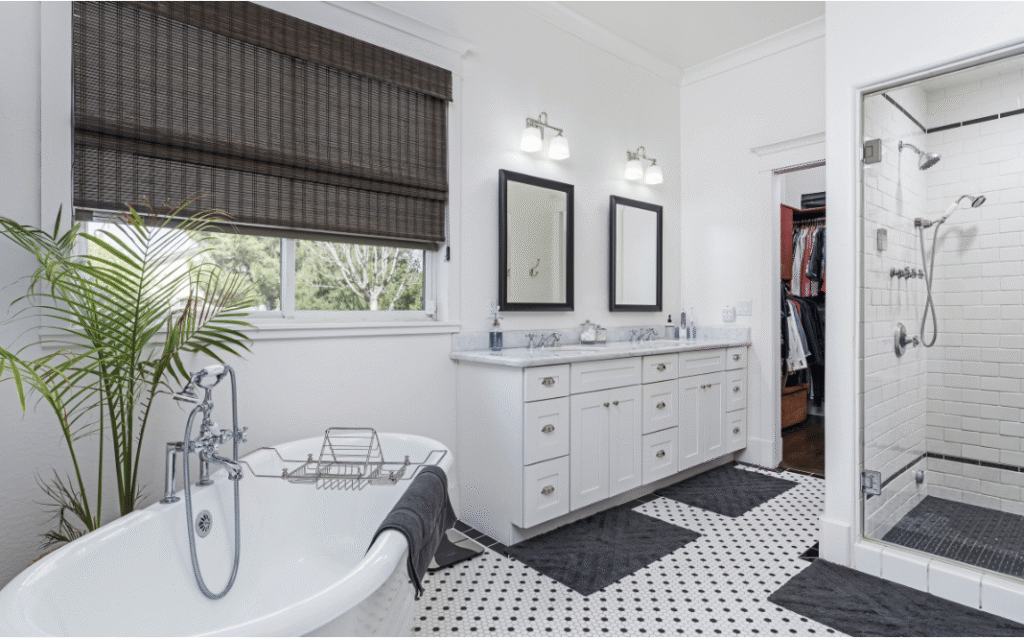
Similar rules apply in bathrooms. Moving plumbing, relocating walls, adding structural elements, or modifying ventilation typically require permits. Adding a new bathroom almost always does.
Garage Conversions
Converting an attached garage into living space triggers a permit requirement, largely because of fire separation requirements, insulation standards, heating provisions, and exit specifications under the Ontario Building Code. This type of project changes the use of the space, which is a key permit trigger.
Deck Construction
Elevated decks, large attached decks, and any deck requiring structural footings commonly require a permit from the City of London. The threshold often depends on deck height and whether it’s attached to the house. When in doubt, check with the City or ask your contractor before building.
Porch and Sunroom Construction
New enclosed porches, covered porches, three-season rooms, and four-season additions all typically require permits. Four-season additions, in particular, are treated much like full additions and carry more stringent requirements.
Window and Door Changes
Standard window replacements in existing openings usually don’t require a permit. But if you’re enlarging an opening, adding a new one, or modifying structural headers, a permit is generally required.
Structural Roofing Changes
Replacing shingles on an existing roof structure? That’s typically permit-free. Redesigning the roof structure, changing roof lines, or making structural modifications? A permit is required.
What Renovations Do NOT Require a Permit?
Many common cosmetic and maintenance projects don’t require a building permit in London, Ontario. These include:
- Painting and wallpapering
- Flooring replacement
- Kitchen cabinet replacements (same layout)
- Countertop upgrades
- Interior trim and doors
- Drywall repairs
- Light fixture replacements
- Replacing toilets or faucets without moving plumbing
Keep in mind that the scope of work matters. A project that starts as “cosmetic” can cross into permit territory depending on what’s discovered or changed during the work.
Electrical, Plumbing, and HVAC Permits
Does Electrical Work Require a Permit in Ontario?
Electrical work in Ontario is regulated by the Electrical Safety Authority (ESA), not the City of London directly. Most electrical work—panel upgrades, adding circuits, or installing new wiring—requires an ESA notification and inspection, separate from a City building permit.
When Does Plumbing Work Require a Permit?
Moving plumbing fixtures, adding new bathrooms, or rerouting supply and drain lines typically require a plumbing permit as part of the broader building permit application in London, Ontario. Straightforward repairs and like-for-like replacements usually don’t.
Do HVAC Changes Need a Permit?
Yes, in many cases. Installing a new furnace, heat pump, or gas appliances, modifying ductwork, or making significant ventilation changes often require permits. Gas work must also comply with Technical Standards and Safety Authority (TSSA) regulations.
What Happens If You Renovate Without a Permit?
Unpermitted work carries real consequences. The City of London can issue stop-work orders, forcing construction to halt until the proper permits are obtained. Fines may apply, and in some cases, completed work must be removed or opened up for inspection at the homeowner’s expense.
Downstream problems are equally significant. Unpermitted renovations can void your home insurance, complicate or kill a home sale, and leave future buyers—or you—with costly remediation work. It’s a risk that’s rarely worth taking.
Who Applies for the Building Permit?
Either the homeowner or the renovation contractor can apply for a City of London building permit. In practice, most experienced renovation contractors manage this process on behalf of their clients. Regardless of who submits the application, it’s the homeowner’s responsibility to confirm permits are in place before work begins. If a contractor tells you permits aren’t needed for work that clearly requires them, that’s a red flag.
How Long Does a Building Permit Take in London, Ontario?
Permit timelines in London, Ontario vary based on project complexity. Simple permits may be approved within a few business days, while larger or more complex projects—like home additions—can take several weeks. Factors like application completeness, required drawings, and City workload all affect the timeline.
Plan ahead. Starting the permit process early prevents costly delays once your contractor is ready to begin. Inspections during construction add time to the overall schedule as well, so factor these into your project plan from the start.
Why Hiring an Experienced Renovation Contractor in London, Ontario Matters

Navigating permit requirements isn’t always straightforward. An experienced renovation contractor in London, Ontario knows which projects require permits, how to prepare compliant drawings, when to bring in engineers or designers, and how to coordinate inspections efficiently. That expertise reduces delays, helps avoid costly code violations, and ensures the finished work is safe and compliant.
Contractors who cut corners on permits put homeowners at risk. The right contractor treats permits as a normal, non-negotiable part of every eligible project.
Start Your London, Ontario Renovation the Right Way
Before starting any renovation, talk to a qualified contractor who understands London, Ontario’s permit requirements inside and out. Our team helps homeowners determine whether permits are required, manages the application and inspection process when needed, and delivers renovations built to Ontario Building Code standards—safely, professionally, and without the guesswork.
Contact our London, Ontario renovation team today to discuss your project and get started on the right foot.