
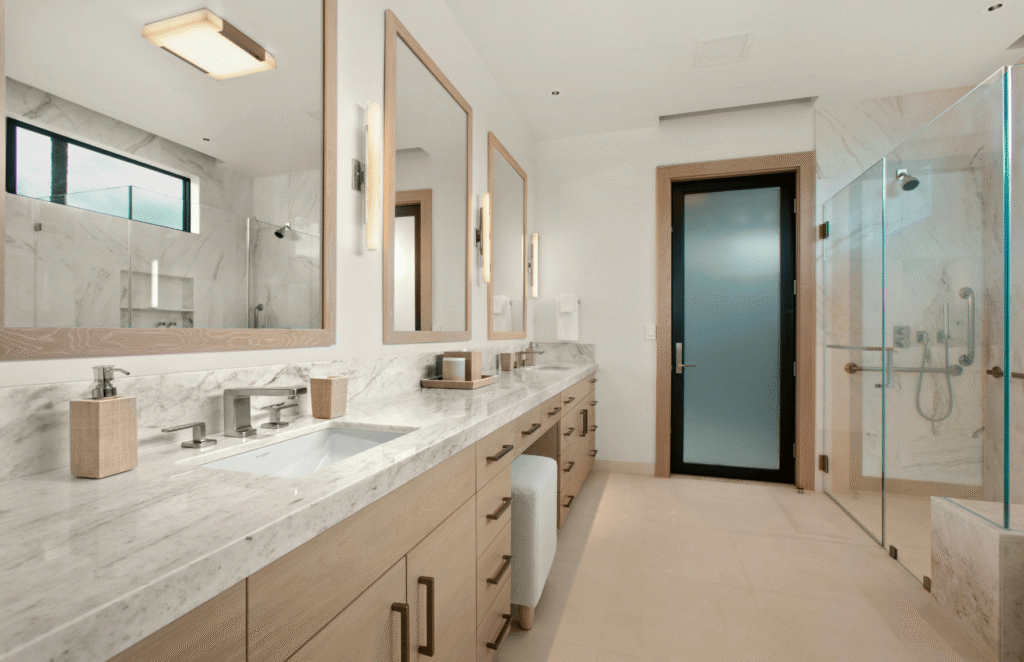
Deciding to gut and rebuild your house is a major step. A full home renovation involves updating almost every aspect of your living space, from the structural layout down to the final coat of paint. While the end result is a beautiful, customized home, the journey to get there requires careful planning and a lot of patience.
Understanding the renovation process from start to finish greatly reduces stress and unexpected surprises. When you know exactly how the project will unfold, you can make better decisions, manage your budget effectively, and prepare your family for the upcoming changes.
This guide is designed for homeowners planning major renovations in London Ontario and the surrounding areas. Whether you are updating an older property or completely changing your home’s layout, knowing what happens at each stage will help you navigate your upcoming project with confidence.
Initial Consultation and Project Planning
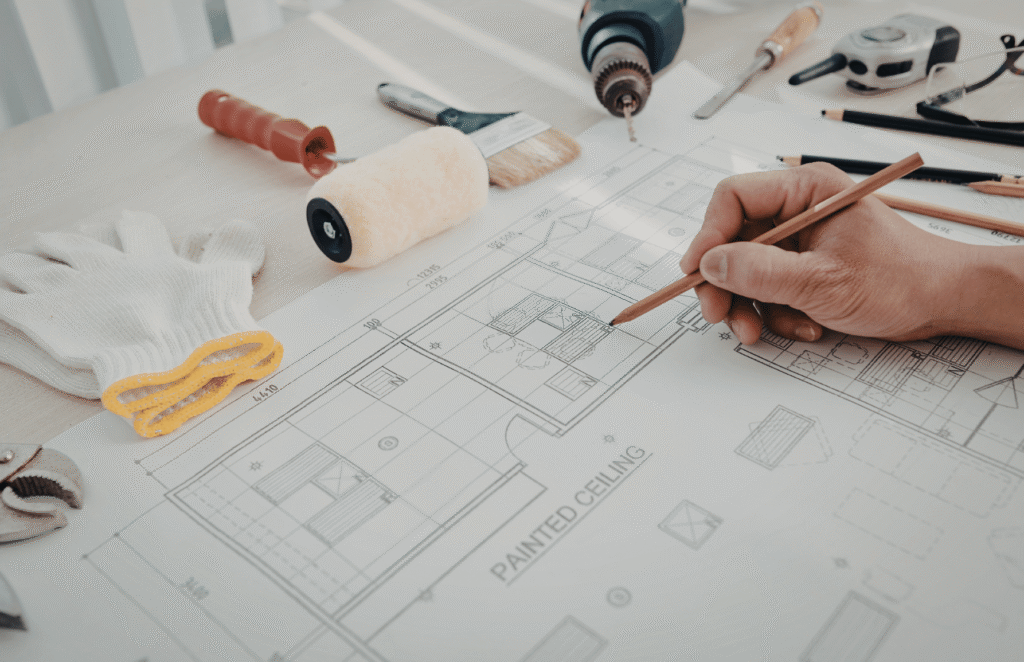
Every great renovation starts with a detailed conversation. During the initial consultation, your contractor will assess your home and discuss your ultimate goals for the space. You will talk about how you want the home to function and look.
This is also the time to set a realistic budget range and establish expectations. You will define the scope of the work, deciding if you want to tackle the entire home at once or phase the renovation over time. Finally, the team will review preliminary design ideas and perform a feasibility check to ensure your vision aligns with the physical limits of the property.
Design Phase and Layout Planning
Once the initial goals are set, the design phase begins. You will work closely with designers or your contractor to finalize layout changes. This step involves selecting materials, finishes, and fixtures that match your aesthetic preferences and budget.
Professionals will create concept drawings and blueprints. These documents serve as the roadmap for the entire project. It is crucial to finalize the design before construction begins to avoid costly changes and delays later on.
Budget Finalization and Contract Signing
With the design finalized, you will receive a detailed cost breakdown. This estimate should clearly separate the costs for labour, materials, and necessary city permits.
A good budget will also include allowances for desired upgrades and a contingency fund for unexpected issues. Once you agree on the project timeline and final costs, you will sign the contracts and give the official approval to move forward.
Permits and Pre-Construction Preparation
Before any hammers swing, the administrative work must be completed. Your contractor will apply for the necessary building permits and schedule preliminary inspections required by your local municipality.
Simultaneously, the team will start ordering materials and scheduling the various tradespeople needed for the job. As a homeowner, you will need to prepare the house for construction. This involves clearing out spaces, setting up dust protection, and potentially making temporary living arrangements if the home will be uninhabitable during the work.
Demolition Phase
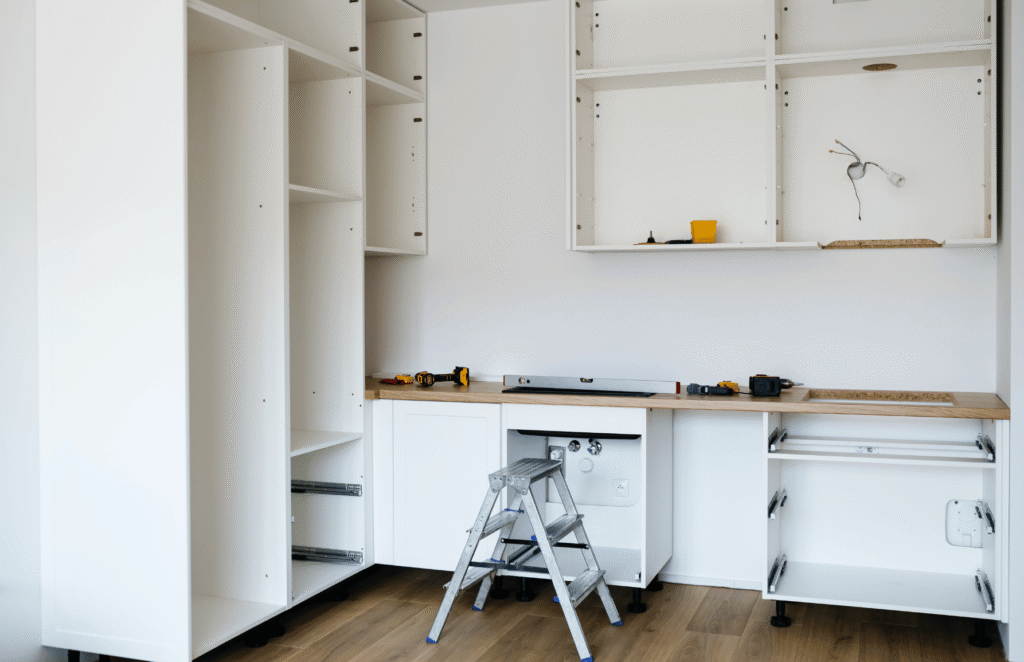
The physical transformation begins with demolition. Crews will safely remove old structures, drywall, flooring, and finishes to make way for the new design.
This phase often reveals unexpected issues, such as outdated wiring, hidden plumbing leaks, or framing problems. A professional team handles waste removal and site cleanup promptly. Once the space is stripped back, the exposed structure is carefully inspected before rebuilding starts.
Structural Work and Framing
With a clean slate, the structural work takes place. If your design includes a new open-concept layout, crews will modify walls and install structural reinforcements like steel or engineered wood beams.
Framers will build the skeletons for new rooms, closets, and doorways. Depending on the extent of the changes, early municipal inspections may be required at this stage to ensure structural safety.
Mechanical, Electrical, and Plumbing (MEP)
Before the walls are closed, the vital internal systems of your home are updated. Electricians will complete the rough-in wiring for new outlets, switches, and lighting fixtures.
Plumbers will install new pipes and upgrade existing lines for kitchens and bathrooms. HVAC technicians will make necessary adjustments to ductwork or install new heating and cooling systems. Once the MEP work is done, inspectors must review and approve the installations.
Insulation and Drywall Installation
After the internal systems pass inspection, the project moves to insulation and drywall. Proper insulation is installed in the walls and ceilings to ensure your home meets modern energy efficiency standards.
Next, crews hang and finish the drywall. The walls are meticulously taped, mudded, and sanded to create a smooth surface ready for paint. For many homeowners, this is an exciting stage because it offers the first real visual transformation of the space.
Interior Finishes
The interior finishes bring your home’s design to life. Flooring contractors will install your chosen hardwood, tile, or carpet. Painters will apply the final colors to your walls and ceilings.
During this phase, the kitchen and bathrooms receive their main components. Cabinets, countertops, and large fixtures are carefully installed. Finally, finishing carpenters will add the baseboards, window trim, and interior doors.
Final Touches and Inspection
The project is nearing completion, and attention turns to the details. Plumbers and electricians return for the final installation of plumbing fixtures, light fixtures, and faceplates.
Hardware is added to cabinets and doors. The contractor will conduct a final walkthrough to perform a strict quality inspection. Any minor flaws, touch-ups, or necessary corrections are addressed immediately to ensure everything meets your standards.
Project Completion and Handover
The dust has finally settled. The construction team will perform a final deep clean and clear all remaining debris from the site.
You will join the project manager for a final homeowner walkthrough. Once you approve the work, the team will hand over the space. They will also provide you with important warranty details and maintenance tips for your new fixtures and materials. Now, it is time to celebrate your beautifully completed renovation.
What Homeowners Should Expect Overall
Living through a full home renovation requires mental preparation. You should expect temporary disruptions, dust, and significant noise during working hours.
Timelines may need to flex depending on what the demolition phase uncovers or if there are delays in material shipping. Maintaining open and honest communication with your contractor is the best way to navigate these challenges. Hiring a professional renovation team greatly reduces your stress, as they handle the daily logistics and problem-solving for you.
Ready to Transform Your Home?
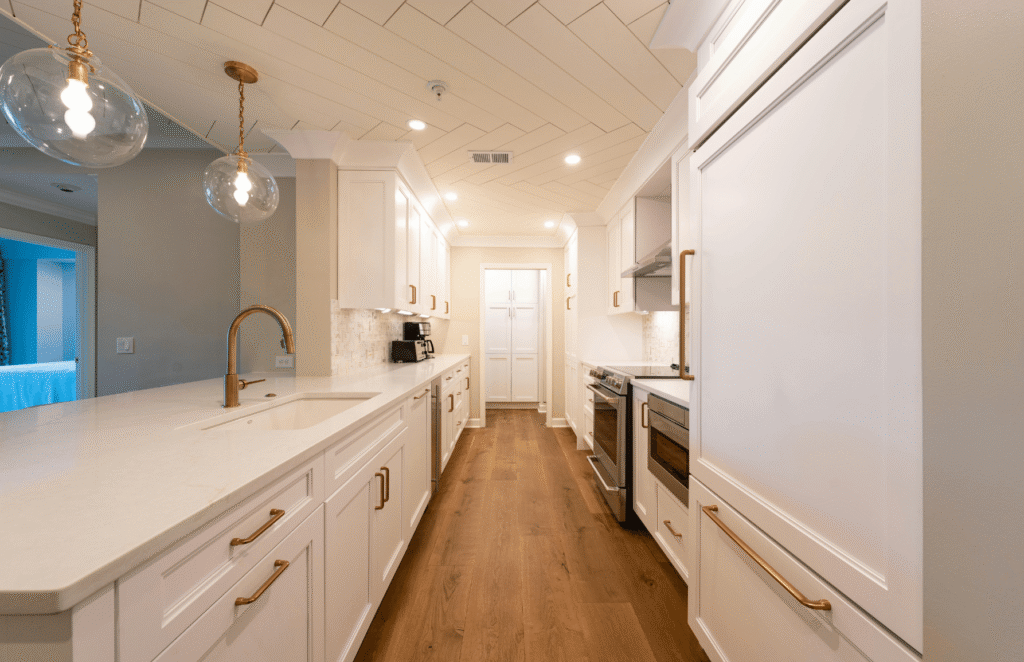
Taking on a full home renovation is a massive commitment, but the reward of living in your perfect space is entirely worth it. The key to a smooth, successful build is partnering with a team you can trust.
If you are located in London Ontario or the surrounding areas, Coronation Construction is ready to bring your vision to life. Our experienced team handles everything from the initial design to the final handover, ensuring your project stays on track and on budget. Contact Coronation Construction today to book your free in-home consultation and take the first step toward your dream home.