
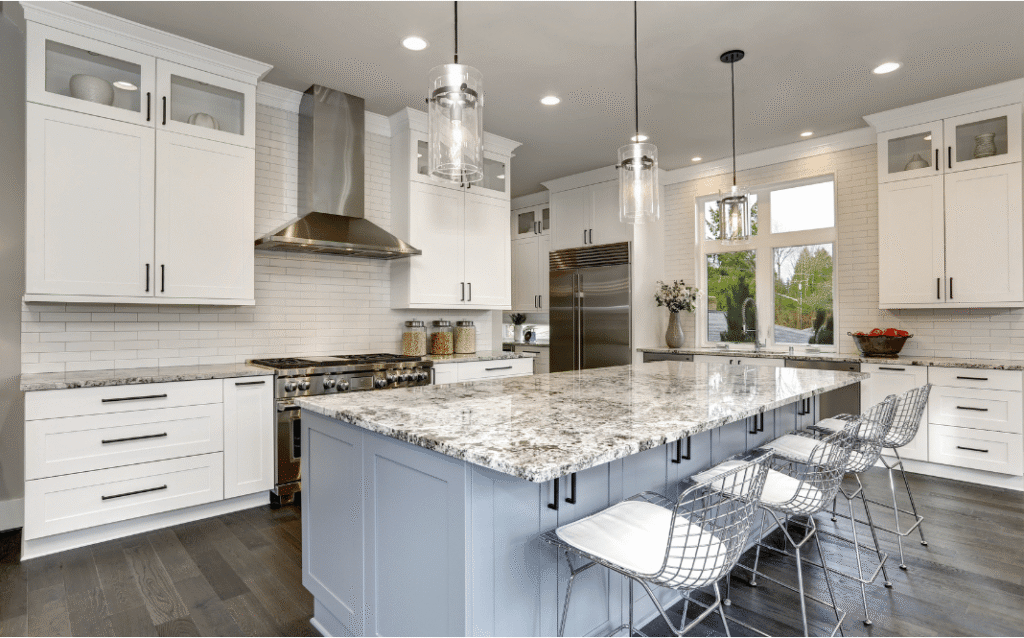
Quick answer: Yes, kitchen renovations generally increase home value. Minor remodels typically return 70–80% of their cost at resale, while major renovations can return 50–60%. The actual ROI depends on the scope of the project, the quality of materials and workmanship, and local housing market conditions.
Few rooms carry as much weight in a home sale as the kitchen. It’s where families gather, meals are made, and, increasingly, where buyers make up their minds. A dated, cramped kitchen can turn prospective buyers away fast—while a clean, modern one can generate multiple offers above asking price.
The good news: kitchen renovations are one of the most reliable ways to boost your home’s resale value and buyer appeal. The catch is that not all renovations deliver the same return. A luxury appliance upgrade in a modest neighborhood won’t recoup its cost the same way a fresh cabinet facelift would. The scope, quality, and fit of your renovation all matter.
This guide breaks down exactly what kitchen renovations do for your home value, which upgrades offer the strongest ROI, and how to plan a renovation that pays off—whether you’re selling soon or simply investing in your home for the long term.
Do Kitchen Renovations Really Increase Home Value?
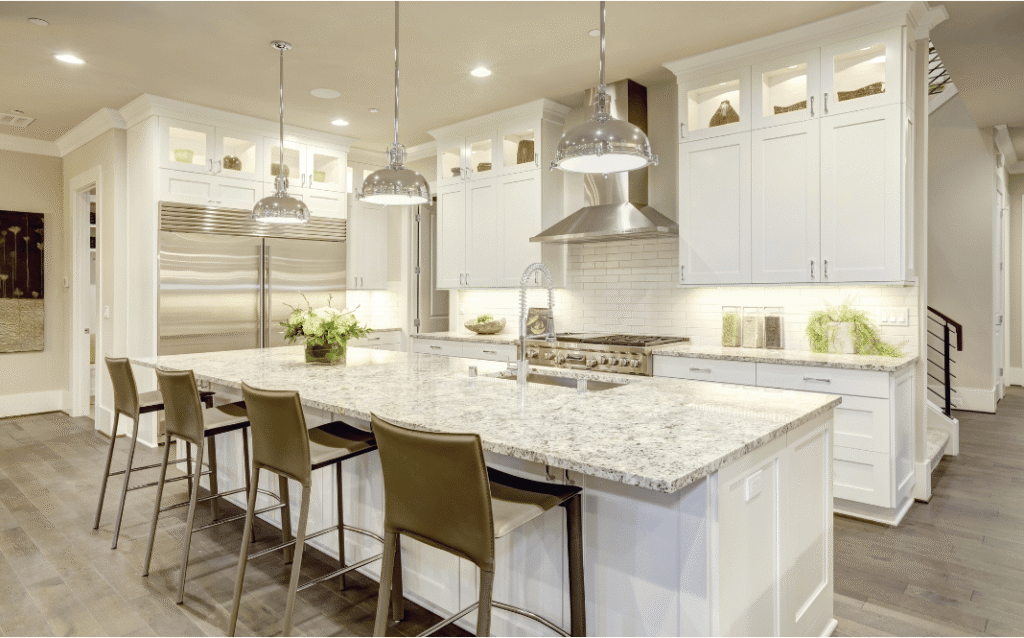
The short answer is yes—in most cases, a kitchen renovation will increase your home’s resale value.
Buyers consistently rank the kitchen as one of the most important rooms in a home. Updated kitchens signal that the home has been well-maintained, reduce the buyer’s anticipated workload post-purchase, and simply photograph better, which matters enormously in an online-first real estate market.
An attractive, functional kitchen doesn’t just increase perceived value—it can help a home sell faster. Properties with renovated kitchens tend to spend less time on the market, which reduces carrying costs and gives sellers stronger negotiating leverage.
That said, renovations rarely return 100% of their cost dollar-for-dollar. The real value lies in competitive positioning: a renovated kitchen makes your home more desirable relative to comparable listings, which can translate to a higher final sale price even if the raw ROI percentage is below 100%.
What Is the Average Return on Investment (ROI) for a Kitchen Renovation?
ROI for kitchen renovations varies significantly based on the scale of the project.
Minor Kitchen Remodels
Cosmetic updates are the highest-ROI category in kitchen renovation. These include:
- Cabinet painting or refacing rather than full replacement
- New hardware (handles, knobs, hinges)
- Updated lighting fixtures
- A fresh backsplash
- New countertops such as quartz or laminate
Minor remodels are often far more cost-effective than gut renovations because they address the visual impact of a kitchen without the expense of structural changes. According to Remodeling Magazine’s Cost vs. Value data, a minor kitchen remodel recoups roughly 70–80% of its cost at resale—significantly higher than major projects.
Major Kitchen Renovations
Large-scale renovations involve:
- Complete cabinet replacement
- Layout changes (moving walls, relocating plumbing or gas lines)
- New flooring
- Electrical and plumbing updates
- High-end appliances
These projects can transform a kitchen dramatically, but the percentage ROI tends to be lower—typically in the 50–60% range. This doesn’t mean they’re a bad investment; a full renovation may be necessary for homes with severely outdated or dysfunctional kitchens. However, for sellers focused purely on return, targeted minor upgrades usually deliver more bang for the buck.
ROI also varies by location and local housing market. In high-demand urban markets, a full renovation may pay off more reliably than in slower or lower-price markets where buyers are less willing to pay a premium for finishes.
Kitchen Upgrades That Add the Most Value
Modern Cabinets
Cabinetry dominates the visual impression of any kitchen. Clean finishes, ample storage, and functional features—like soft-close drawers and pull-out shelves—are consistently high on buyers’ wish lists. If the bones of your cabinets are solid, refacing or repainting is a cost-effective way to modernize without full replacement.
Quartz Countertops
Quartz has become the go-to countertop material for good reason: it’s durable, low-maintenance, non-porous, and widely popular with buyers. Unlike natural stone, quartz doesn’t require sealing and resists staining, which makes it a practical and attractive upgrade that resonates in most housing markets.
Energy-Efficient Appliances
Modern, energy-efficient appliances appeal to buyers on two levels—they look updated and they promise reduced utility bills. A cohesive appliance suite in stainless steel or a consistent finish creates a polished, move-in-ready impression that buyers are willing to pay for.
Improved Lighting
Lighting is one of the most underestimated kitchen upgrades. Recessed ceiling lights brighten the overall space, pendant lights add design character above islands or peninsulas, and under-cabinet lighting makes workspaces more functional. Combined, these upgrades can make a kitchen feel larger and more inviting at a relatively low cost.
Functional Kitchen Islands
Where space allows, a kitchen island adds prep area, storage, and seating—three things buyers actively look for. An island with bar seating, for example, adds casual dining functionality that appeals to a wide range of lifestyles.
New Flooring
Flooring has a major impact on the overall feel of a kitchen. Luxury vinyl plank, hardwood, and large-format tile are all popular choices that hold broad buyer appeal. Replacing worn or dated flooring is a high-visibility upgrade that pays dividends in first impressions.
Renovations That May Not Deliver a Strong ROI
Not every upgrade is worth the investment. A few renovations that tend to underperform at resale:
- Ultra-luxury appliances (e.g., commercial-grade ranges in a mid-range home)
- Highly customized designs that reflect personal taste rather than broad buyer appeal
- Trendy colors or finishes that may feel dated within a few years
- Overspending relative to the neighborhood—if comparable homes sell for $500,000, a $100,000 kitchen won’t push your sale price to $600,000
- Removing storage in favor of open shelving or minimalist aesthetics
- Sacrificing functionality for aesthetics—buyers want kitchens that work, not just look good
The common thread: renovations that are highly personal, over-scaled for the market, or that prioritize style over function tend to limit buyer appeal rather than expand it.
Factors That Affect Kitchen Renovation ROI
Location
Real estate is inherently local. A kitchen renovation that returns 80% of its cost in a competitive city market may return far less in a rural or slow-moving market. Understanding what buyers in your specific area expect is critical.
Local Housing Market
In a seller’s market with low inventory, buyers are more willing to pay a premium for turnkey homes. In a buyer’s market, the calculus changes—competitive pricing may matter more than finishes.
Home Value
The value of your home sets a ceiling on renovation ROI. High-end finishes in an entry-level home rarely return their cost, because the neighborhood caps what buyers will pay regardless of interior quality.
Renovation Quality
Workmanship matters. Poor installation of otherwise quality materials undermines both the appearance and the longevity of the renovation—and buyers or home inspectors will often notice.
Current Condition of the Kitchen
A kitchen in seriously poor condition—outdated by 30+ years, with damaged surfaces or failing systems—offers more upside from renovation than one that’s merely aesthetically dated. The worse the starting point, the more a renovation can move the needle.
Should You Renovate Before Selling Your Home?
The right answer depends on your timeline, budget, and the current condition of your kitchen.
If your kitchen is functional but visually dated, targeted cosmetic improvements—cabinet painting, new hardware, updated lighting, fresh countertops—often deliver the best return for sellers. These projects are faster, less disruptive, and typically cost a fraction of a full renovation while making a significant visual impact.
Full renovations make more sense when the kitchen is genuinely dysfunctional, the layout is a clear liability compared to competing listings, or the home is being positioned at a price point where buyers expect premium finishes.
If you’re selling in the near term, focus on repairs and presentation first. A well-staged, clean kitchen with fresh paint and updated fixtures will outperform a rushed full renovation in most scenarios. Before spending significantly, consult with a renovation professional who knows your local market—they can help you identify which investments will actually move the needle.
Tips to Maximize Your Kitchen Renovation Investment
- Choose timeless finishes over trendy ones—white and neutral tones date slowly
- Prioritize functionality so the kitchen works as well as it looks
- Improve storage wherever possible; buyers consistently prioritize it
- Invest in quality workmanship—labor shortcuts cost more in the long run
- Stick to a realistic budget aligned with your home’s market value
- Balance style with durability by choosing materials that hold up to daily use
- Select neutral colors for broad buyer appeal
- Work with experienced, licensed contractors who can deliver consistent, high-quality results
Frequently Asked Questions
Does a kitchen renovation increase resale value?
Yes. Kitchen renovations generally increase resale value, particularly in competitive housing markets. Minor remodels tend to return 70–80% of their cost, while major renovations typically return 50–60%. The kitchen is one of the most closely evaluated rooms by homebuyers, which means an updated kitchen can meaningfully improve both sale price and time on market.
What kitchen upgrades add the most value?
The highest-value kitchen upgrades typically include new countertops (particularly quartz), cabinet painting or refacing, updated lighting, energy-efficient appliances, and new flooring. These upgrades offer strong buyer appeal at a relatively lower cost compared to full structural renovations.
Is a full kitchen remodel worth it?
A full kitchen remodel can be worth it when the existing kitchen is severely outdated, dysfunctional, or a clear liability compared to competing properties. However, for most sellers, targeted minor upgrades deliver a higher percentage ROI than complete overhauls.
Should I renovate my kitchen before selling?
It depends on the kitchen’s current condition and your timeline. Cosmetic updates—fresh paint, new hardware, updated fixtures—are generally worthwhile for sellers. A full renovation only makes sense if the kitchen is a significant detractor from the home’s value or if the local market expects premium finishes at your price point.
How much should I spend on a kitchen renovation?
A general rule of thumb is to spend no more than 5–15% of your home’s total value on a kitchen renovation. Spending beyond that threshold makes it difficult to recoup the investment at resale. Always benchmark your renovation budget against what comparable homes in your area sell for.
Upgrade Your Kitchen with Confidence
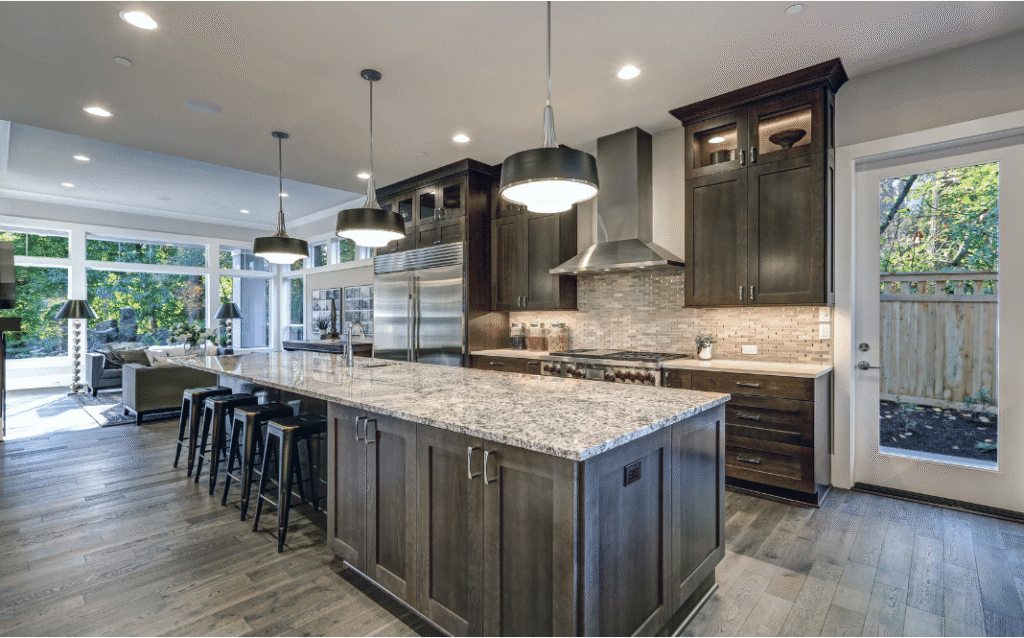
Kitchen renovations can meaningfully improve both your daily quality of life and your home’s resale value but success depends on thoughtful planning, realistic budgeting, and quality execution. A minor refresh in the right areas often outperforms a full gut renovation in terms of ROI, while a well-planned major remodel can transform a liability into a true selling feature.
The key is understanding what your market values, what your home can support, and where your dollars will work hardest. That’s not a decision that should be made from a list alone, it’s worth having a real conversation with an experienced renovation professional who can assess your specific home, budget, and goals.
Before you commit to any scope of work, consult with a trusted renovation company in your area. The right guidance upfront can save you significant money and ensure your renovation investment delivers exactly what you’re hoping for. Coronation Construction provides free consultations for homeowners in the London and surrounding area, contact us today!